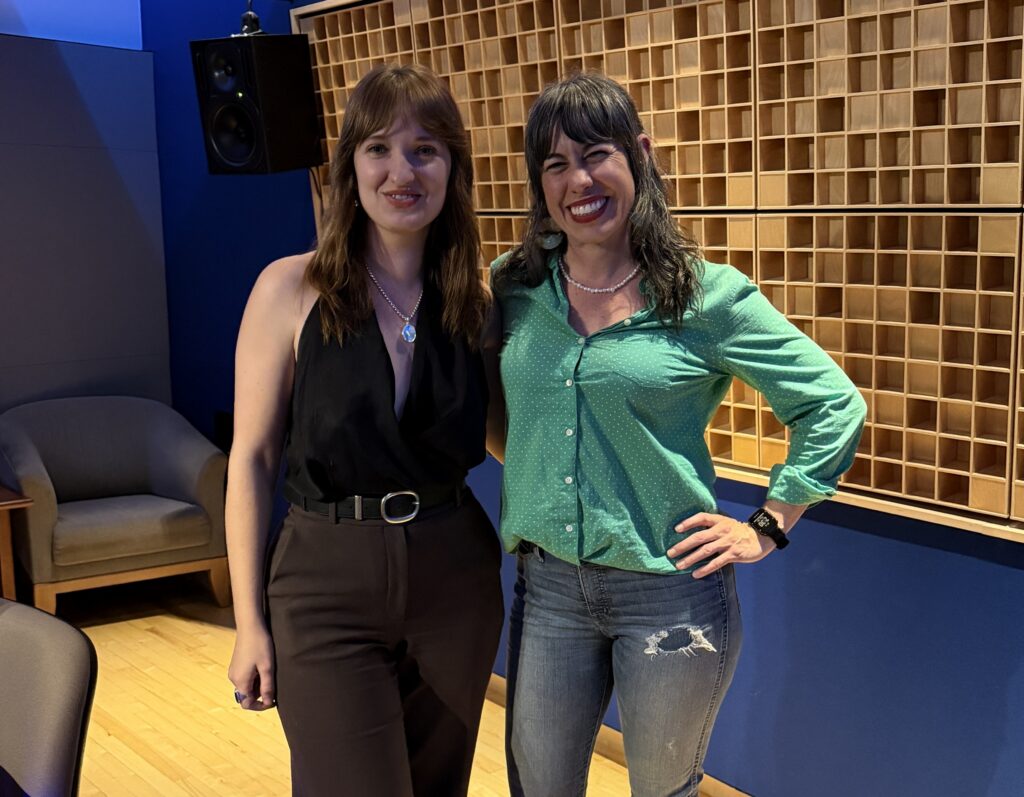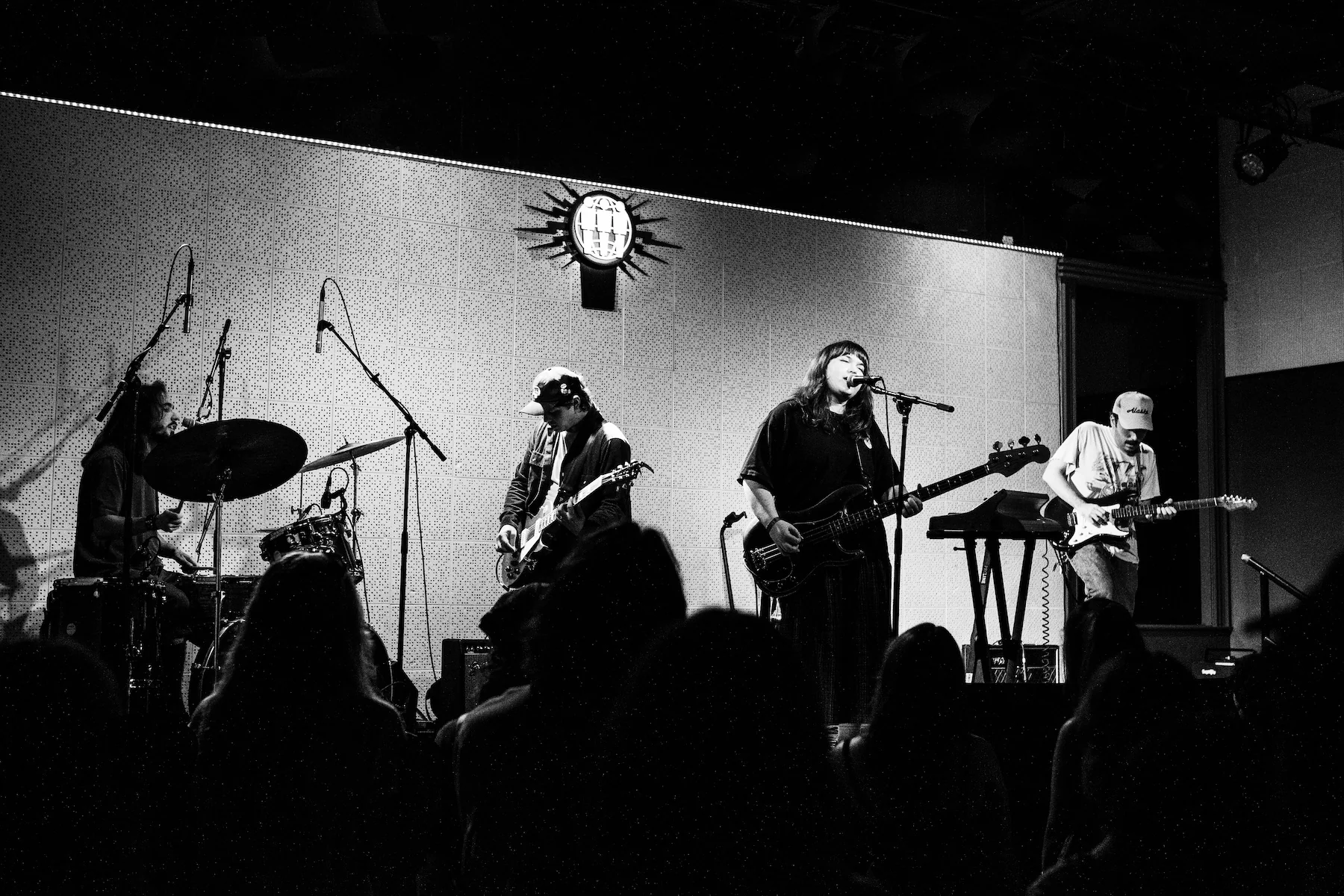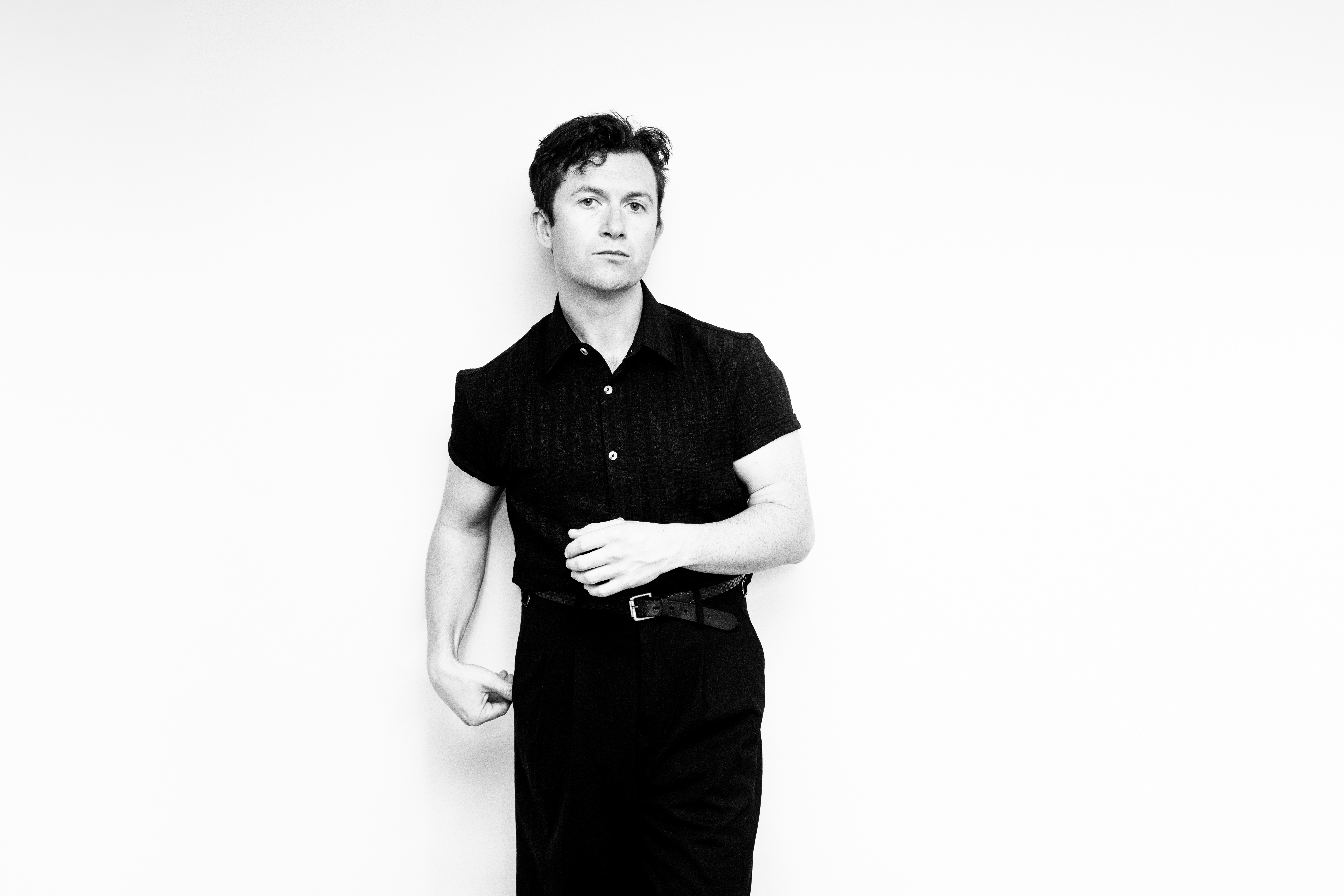
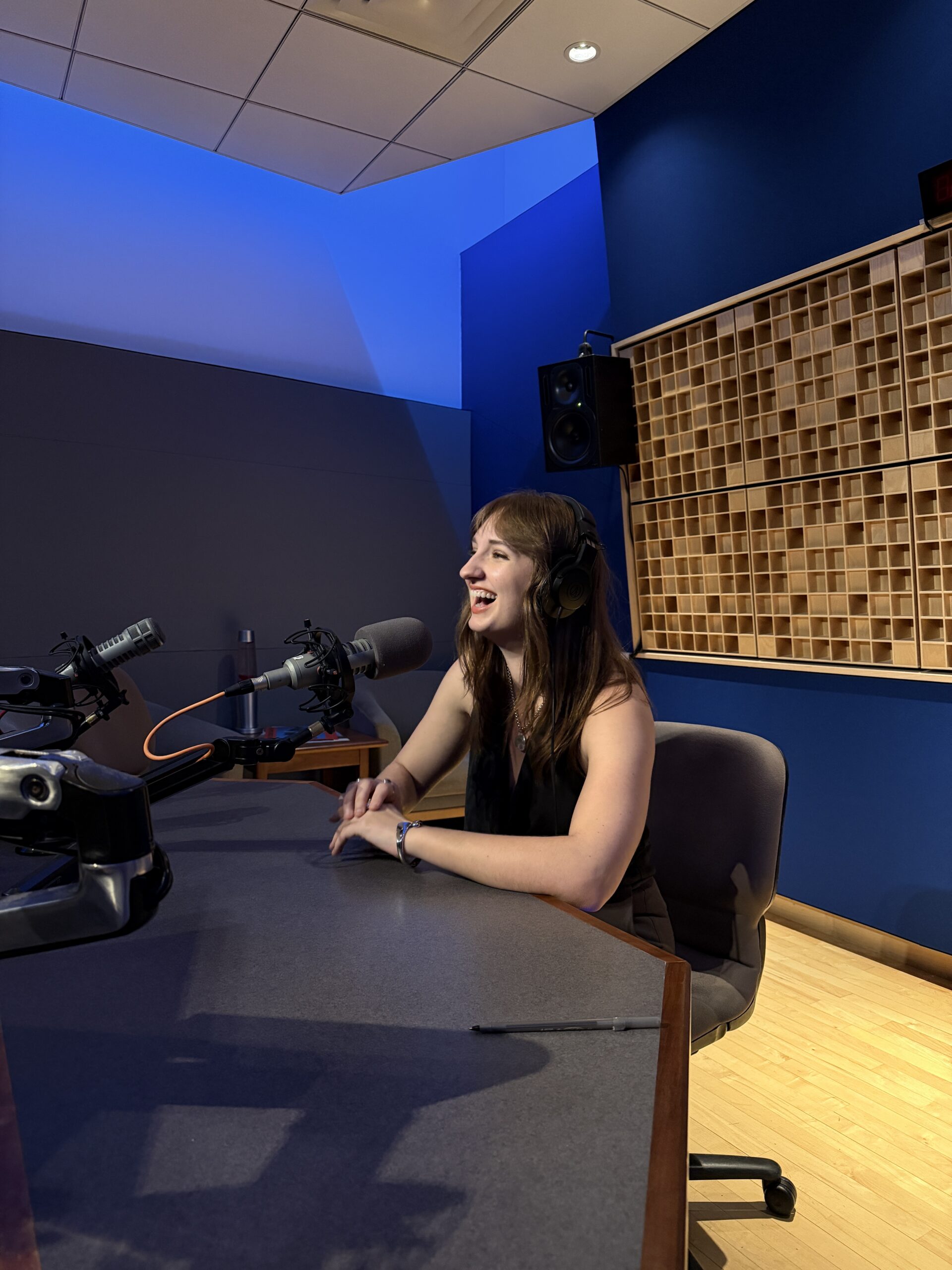
Madison Cunningham’s third full-length release, Ace, came out in October 2025 and she performed at Nashville’s The Blue Room on two consecutive nights this March. On the second show day, the Grammy-winning artist stopped by WNXP to discuss the intention and execution of Ace, which was recorded in Upstate New York in one of the “best times of [her] life.” In addition to the album’s duet “Wake” with Fleet Foxes’ Robin Pecknold, Cunningham has recently collaborated on records with WNXP favorites Whitney, Lucius, Deep Sea Diver and Andrew Bird.
Catch the full On The Record: Madison Cunningham here or wherever you stream podcasts.
The piano-forward and orchestral music of Ace
Celia Gregory: Right now you’re touring the record that came out last fall called Ace. It quickly, I’m not kidding, became a top favorite record of the year for me. Very intense. I remember thinking like, “Oh gosh, I love Madison Cunningham. She can shred.” And then it opens with this orchestral movement. And then this piano is led through the whole thing, I was surprised, but so pleasantly so. Can you introduce to our audience what went into this record and why it does sound like a bit of a departure from maybe your first couple?
Madison Cunningham: Piano, first of all has always been a part of my life. I started playing piano kind of at the same time I started on guitar. And so I kind of, it’s always been lurking and I’ve always wanted an excuse to put it into the world. And I kind have realized like, “Oh it’s dumb to wait for an excuse, like that’s maybe excuse enough.” So, honestly that whole sonic world opened up because that’s what I was interested in. My dad gave me this old spinet piano with with felt on it for my birthday, so I was playing that for two years straight…kind of over wanting to pick up a guitar. And then there was this beautiful marriage between guitar and piano where I started to try to play guitar more like a piano. There wasn’t much calculation, but I was pretty extreme about wanting this world ofAce to be a very specific sonic journey, which was so fun. I felt like my first record I had my whole life to make, my second record I felt like there was no time and some of it was patchworked. And I love it, but this one was like, it was like a whole breath, you know? It wasn’t like a series of little things trying to make sense of itself. It just was like..it came fully formed, I felt like.
CG: It does, it feels like that, the experience listening. And I think the artful little interludes and things, stitches songs together to make it feel like a whole work. And I’m still a fan of the album. I wonder if you, before the gifted piano sort of revived your love for that, had you always been really dedicated to staying up on each instrument? I mean, do you practice routinely? Is that how you tend to your craft?
MC: I do practice probably less formally than a lot of people would associate with the word practice, you know, but I enjoy it and I spend time learning songs and then writing I feel like is also a form of like where I practice guitar, where I’m thinking about things that I want to learn, I want play more like or whatever, etc. That’s kind of my time to imagine it and then make it happen a little bit. But yeah, I’m actually entering a phase of being a little more persistent about how and when I practice, because it’s, you know, that’s how the relationship stays invigorated, I think, or familiar.
CG: Never be too far away from it. So yes, you compose these songs, it sounds like primarily, at least at first, on the piano, but then you add to it. In some places, this is really spare, but it’s so lush with the string arrangements. Can you talk about with whom you collaborated to bring those to life?
MC: First of all, my touring band — we toured together for four or five years and then I kind of realized that we’d never actually done a studio recording together. So they were the people who ended up being all over it. My dear friend Jesse Chandler, who’s on this tour with me, who does all the woodwinds, he just is an absolute genius. And honestly, we did all of those arrangements together on the fly. The first song on the album, we recorded in a day. The day we started it, it was finished. And that’s how every song happened, was like just this very specific, focused way of working. It was so fun. It was lightning speed and just, again, focused but not pretentious.
There were more yeses being said than nos. And it was just about trying to not be overly cool in any way. Because I think that’s what we want to do. We tend to do that as artists when we get bored of ourselves. We head for aesthetic before heart sometimes, and Robbie Lackritz, who I co-produced the record with, was so good at calling those little moments out in me. Like, I would add little things that made me smile, and he’d be like, “Fuck no, that’s too arty,” is what he would say. But I knew he meant that, like, he’s such a feeler. I needed him so desperately because he knew where I was coming from. He knew that I was heartbroken, he knew that I was looking for myself, but he was so good at calling out when I veered into a harder version of myself. No, keep the heart at the front.
…It feels like the record I always wanted to make, but it takes so much time. There’s such a vast gap between when you’re trying to find yourself and then versus when you have found yourself or at least you’re more comfortable with saying that that’s who you are. I love the difference in sound. I can hear that across all of my records so far. I’m trying to not throw any of them out with the bathwater and just trust that they were all a part of a sequence of discovery. That’s so lucky. It’s so lucky to be able to express and yeah, sure, embarrassing at times, but mainly really special.
Songs about heartbreak and reinvention
CG: Let’s talk about the feelings a little bit. You are, what, now almost a couple years since writing the bulk of this music and then a number of months since it’s been released? How do you reflect upon this time of reinvention that you’re encapsulating in this this record? It’s about letting go, it’s about moving on, and does it feel pretty far away from you now when you hear yourself sing?
MC: You know, it doesn’t, I don’t feel pain like I did. I feel softness and emotion, though, like that hasn’t gone away. Like I have such specific memories with these songs, but also I’m making these beautiful new memories that are based in love and the songs feel like I’m singing in that direction now. And I actually think that falling in love again… or feeling, just falling in love with many different things, myself, my life…it feels like spring again. But it’s crazy when you allow yourself to fall in any way, fall in love, fall for someone. It does feel like grief, too. You’re grieving a new chapter of like, hoping that it really is forever this time, but you don’t know, because you’ve learned, you’ve been through it, you know? You’ve been though that thing, so you’re trying to not set yourself up for extreme devastation. It’s crazy. I love playing these songs. They don’t feel like a period at the end of any sort of sentence, they feel like it’s like a continuation into a new thing. So yes, I feel emotionally still very attached to these songs
CG: I love that, and thank you. I mean, it’s beautiful to even approach something hopeful and say, “There’s grief here, too.” Always. It’s real, we’re holding it together. And, in short, the longest romantic relationship of your life that you started when you were very young ended, there was so much identity wrapped up in that. And I can relate to that piece and starting over at whatever age. Just knowing that you can is cool.
MC: Oh, it’s everything, but it’s scary. It’s scary. But knowing that you have that, it does set you up for like some self-belief. You can’t really have that without the completely losing yourself and demolishing, you know, a previous identity. I love all the phases of coming out of heartbreak to where at first you feel so small and withered and embarrassed and humiliated like so much of that is real and then you kind of find your sea legs again And then you’re like, “I was just born, I’m anew, I’m a younger person, I’m younger than I’ve ever been.” It’s like all of these different wonderful feelings and then you’re right back to the ground again and you’re like, “I was a regular person, I gotta eat, gotta work, whatever it is. Keep on keeping on.”
CG: I like how this feels very airy in parts, but also it’s grounded. And I think there’s a beautiful lyric about, like, exploring “the hurt I feel and the hurt that I’ve caused” [in the song “Mummy”] and then you flip it. That is throughout. You’re not a punisher in this case. You’re just being real about all of it.
MC: That was really important. I think there’s so many incredible heartbreak revenge records out there and I didn’t wanna make anything close to that. It was funny the way people would talk about it to me when they found out what I was writing about. They would kind of rub their hands together and be like, ooh, this is gonna be saucy. And every time anyone would refer to it like that, my whole system would shut down. I’m like, This record can’t be anywhere near that, it has to feel like it’s an outpour from love and honesty and of course hurt, but that doesn’t mean that I want anyone else to hurt the other people that are obviously involved or written about. It’s like I don’t want them to feel punished by me, but I had to forgive myself and to move on I did have to kind of take all angles on a little bit.
CG: I think you’ve been in sunny SoCal forever, right, but then you record in upstate New York, yes? So what about the change of place, did that influence it at all? Because there was this intense period of getting it all out and making sure it stitched together the way you wanted, but I’m always curious about location…
MC: Yeah, I think the place we chose very much affected how it came out. It sounds like fall to me, and it’s my favorite time of year. I was born in fall once, many years ago now.
CG: Your first birth.
MC: Yeah, my first birth! [Laughs.] And so I love it and that time always makes me just feel hopeful. Recording it there, Upstate New York, it was before it’s like bitterly cold and we were walking every day and you kind of wear a coat for half of it but mostly you don’t, it’s a lot of sun and it was just like, it was so special, it one of the best times of my life truly and I kind of knew that. I knew that it was going to be something I would compare everything else to.
CG: I can imagine you whistling on a little mini hike and then going back in and being like, “Here’s a gut-wrenching song.”
MC: It was totally, we laughed so hard. If you saw us just hanging out in the wild, you wouldn’t believe that that’s what we were making because we were being such dorks. And I loved that part of it, too, because there is such comedy in grief as well. You have to have that.
Collaboration
CG: I would come up short if I were to try to mention all your collaborations. Deep Sea Diver, and then the Andrew Bird project, which I loved so much that you covered that record in full. What a great match. Buckingham Nicks. And also Lucius. I’ve been talking about you a lot with people that are not you. As a collaborator, people are geeking out to work with you. So flipping it and asking you; as your career’s advanced and maybe your proverbial rolodex is more stout, how do you feel about collaboration and getting to choose with whom you will spend, you know, your skills and your creative energy?
MC: Oh, I love working with my friends and with artists that I admire. I think it always tends to bring out new things in me. I always get nervous beforehand because — I’m not saying this to be falsely humble, but I do always have that fear of like, “Why do they want to work with me? What do I have to offer?” And I love those experiences because when you show up, the right thing to do kind of unfolds if the experience is positive. And all of those were. Jess and Holly [of Lucius] are my dear buds, I love those ladies to the end of time. Andrew has become a deep friend and working with Andrew, man, I could go on and on about him. I think he taught me some of the most essential parts of finding my actual singing voice, learning to harmonize with him. I was probably 21 years old and still was finding my sound and just listening to the way that he projected versus the way he would sing in falsetto and I learning to harmony with that really, I don’t know that he even knows how much he informed that for me. And then getting to do this record with him and feel like a peer, like he allowed me to feel like a peer. And that has so much to do with him because he’s so great and will forever be one of my favorite artists and just found a way to make the creative experience feel so trusting and exciting. He could work with anyone. And so it just felt, I don’t take [for granted] those experiences that feel fluid and also fluent. Like we were speaking the same language. That’s really really rare. Can’t emphasize that enough.
CG: I will say though, the people I’ve talked to about you, like you are the common denominator, babe. Like, you know, that people feel at ease working with you, and also like their best creative selves. Like Jess Dobson said, you got together, I don’t know if it was just like one day, but like whatever came about, just that single session, she made it sound like it was so easy and magnetic. That speaks to both of you, right? But now I have several examples of that happening when you work with somebody. So I’m pointing to you.
MC: Very sweet of you. I love it.
CG: No more imposter syndrome about that.
MC: [Laughs.] Deep intrusive thoughts happening out loud, obviously.
CG: I was thinking about collaboration and it’s not just as you’ve grown your career, as you’ve aged as a person, but you’re the eldest of what, five sisters?
MC: Five girls, yeah.
CG: So, oldest daughter syndrome is a thing, but like, oldest of five in all. I can’t even imagine what collaboration seems like in a household like that.
MC: Oh, yeah, talk about collaborate. Maybe that’s how it started, learning how to share one bathroom amongst five women. It was real collaboration. I don’t forget that that’s a part of my life but when I say out loud like the number of how many sisters I have, I do remember how big of like…I just I come from a crazy wonderful family. They’re all so beautiful and funny and great.
Music as “inherently very spiritual”
CG: I was actually in the studio just this week talking to somebody else who started making music in the church. It’s not such a rare thing, but you know, we had a close conversation about the artistic expression first coming from a place of worship and not maybe expressing your own self. Do you remember when you made that swap or writing a song for you and not with the intention to share your gifts in a maybe divinely inspired way?
MC: Yeah, I started writing my own songs really early around nine and ten. Horrible songs. But the first time that I ever started making music for myself, I was probably 17. It was alwaysfor me, but I was in such a specific environment where I was I was just, you know, you simulate your environment and you’re like, “How do I write?” I was writing from that place, I guess. So I felt like I started to find glimmers of my own voice when I was 17, but I’m still in a place where I’m finding out what that means, you know?
And what I’ve taken from that period in my life where I was taught to worship, and that was the goal. There is something to that in performance, like worshiping. Something that is beyond your own ability is actually paramount because then you’re you. For me, at least, it’s helped me get past myself and has helped me see other people and a different, like a higher mission. I don’t mean that in a religious way at all, but music in some ways is inherently very spiritual. And to be tapped into that source, I think it does have to come from a place of reaching towards something, I think that’s ultimately what worship kind of is intended to me.
CG: I’m gonna bathe in that for a second. I mean, to have a why that’s still outside of yourself is kind of the point. It’s bigger than you. Maybe it’s shifted in the what the why is, or who, but it does feel spiritual and to share your gifts is a gift.
MC: It’s a direction.
The first and last songs to spill forth for Ace
CG: I have a personal relationship with each of these songs, but you just described it as a movement that you intended it to be. So what about an individual track that you would like to share?
MC: Oh, there are so many interesting stories around all of these songs and how they came to be. I mean, one of them was written in a Nashville snowstorm. Actually, two of them — that song “Wake” and then “My Full Name.” Those are the first two songs that I wrote for the album. And they were written two days apart here. That’s why it feels worthy of sharing. And yeah, those kind of just sat in the wings for like six months before I was able to write the rest of them. And those ones came quickly.
But one of the ones I wanted to highlight is a song called “Mummy,” because it’s a rare example of a song where all the lyrics were written first. That never happens to me. It was probably the last song I wrote before… actually, “Goodwill” was the last song I wrote before heading out, but it was like second-to-last. I knew that there were things I needed to process and I had seen this very specific picture and then the whole, on my phone, and the whole song kind of poured out. And it was this very frustrating thing where I loved what it was saying and it hit the chord with me, but I knew it was going to be a tough moment to figure out how to make it work musically. So up until the last moment that we recorded it, I was writing. I was like rearranging things, writing different lyrics. It felt really throw-and-go in a really fun way. But it is also one of the more emotional, kind of graphic songs on the record, I think.
CG: That’s what I was thinking. There’s no “gotcha” journalism in today’s interview because you state very clearly in your lyrics what the hell was happening. Like I wrote down “just 17 when I said I’d be yours” [in “Mummy”]. I was like, “Whew, I don’t need to fact check. She’s telling me.”
MC: Yeah, I told you. And thank you. It’s been a funny record to talk about, though, because so much of it is very displayed. And I didn’t even realize how much until I started talking about it when it came out. And I feel I have no media training for this. I don’t know if I would give too much or too little, and it always felt bad. And now I feel better about it. But it’s been weird entry into the world, this record has been.