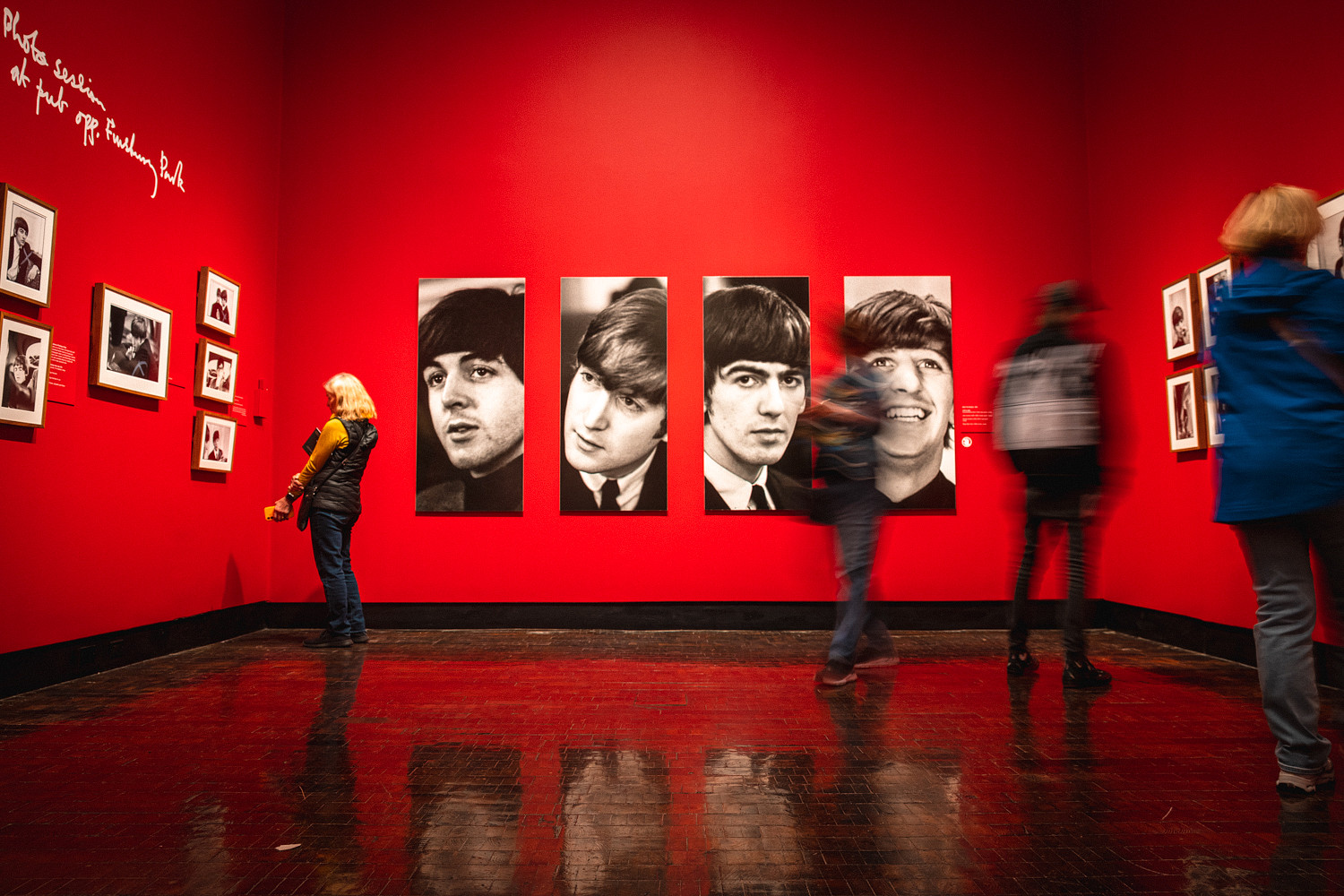
Paul McCartney: Photographs 1963-64 Eyes of the Storm gallery featured at the Frist Art Museum will wrap up on Monday, January 26, the last opportunity for fans to experience an intimate look into The Beatles at the start of Beatlemania. The photos in the exhibit were taken by McCartney himself and offer a personal perspective into The Beatles during the early days of their global stardom.
Paul McCartney was working with curators in London on an exhibition of his wife Linda McCartney’s photographs. He told curators he remembered taking some pictures years ago, but wondered what happened to them. His archivist scoured through his archives in London for the photographs and all they could find was a box of negatives and contact sheets from late 1963 to early 1964.
“Paul McCartney was not trained to be a photographer,” said Mark Scala, chief curator of the Frist Art Musuem. “He knew something about photography, he had practiced with his brother, Mike, and they took pictures of each other working with lighting and different compositions. There were so many photographers that were hanging around with them that they could look at the works being done by these really great photographers and get some ideas and tips on how to make an interesting photograph.”
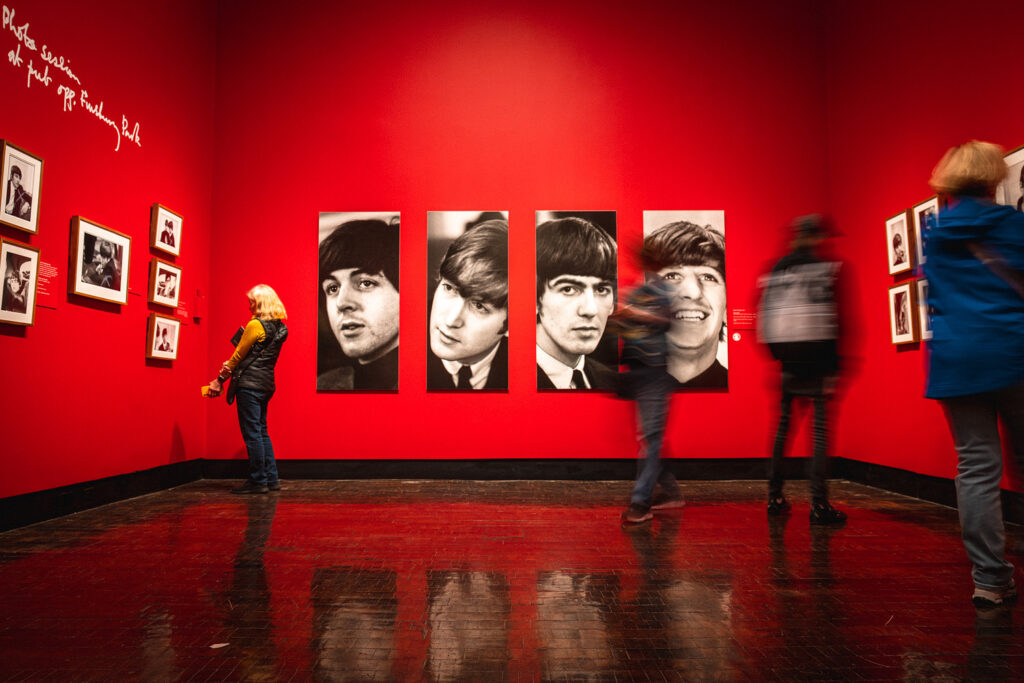
“The exhibition gives you a sense of it being a more innocent time,” said Scala. “It was a time almost immediately after JFK was assassinated, so there was a national sadness. I think The Beatles brought youthfulness, vigor, excitement about being alive. I think that had a lot to do with their success in this country. One of the things that happens when you see a photograph is, you might think about what came before and what came after. Of course there’s a lot of pain that came after with John Lennon and George Harrison. This is just like a moment and snapshot in time that brings back a flood of memories of who they were when they first encountered The Beatles, what their experiences were, and how significant The Beatles are as cultural figures even today.”